
Fellowship Program
A Community of Changemakers at the Mecca
The Institute’s Fellowship Program is home to an annual cohort of intellectuals, artists, creators, and practitioners who are innovatively and impactfully examining and deconstructing racism. Fellows from a wide variety of fields and disciplines, from inside and outside of academia, gather in residence at Howard University for the fall and spring semesters.
The principal driver of human progress—solving seemingly intractable problems like racism—is invention. New ideas. New methods. New technologies of change. But human progress, including racial progress, is stalling due, in part, to a decline in funding and support for the boldest, riskiest, and most novel ideas. There is growing pressure to produce what sounds familiar, what seems guaranteed to succeed, even though the most unfamiliar and riskiest ideas have advanced human progress.
It was a wholly novel idea for formerly enslaved people to tell their own life narratives, but they did it and helped abolish chattel slavery. It was considered extremely risky to descriptively track lynchings until journalist Ida B. Wells did so and inspired a movement. It was considered outlandish to frame race as a construct rather than a biological reality, but scientists did it and established a basis for antiracism.
The Institute trusts the ability of people with expertise and experience to imagine and invent and innovate a new world of equity and justice for all. What these experts need is the encouragement, freedom, and space to take the biggest intellectual and creative risks of their careers. Not alone though. It is best for people to develop their most ambitious ideas in fellowship with people from other fields developing their most ambitious ideas. A community of fellows at the Institute for Advanced Study imagining and sharpening and testing new ideas and projects together.
Each Howard Fellow pursues an incisive project based on their experience and expertise, including, but not limited to an innovative database, a monograph, an academic study, a novel, a screenplay, a poetry collection, a blueprint, a memoir, an anthology, an archive, or a series of investigative reports. Each Howard Fellow contributes to the Institute’s efforts to power antiracist innovation and human progress. Each Howard Fellow enhances the intellectual fabric of the Institute of Advanced Study and Howard University.
Life as a Residential Fellow
Fellowship Term and Residency
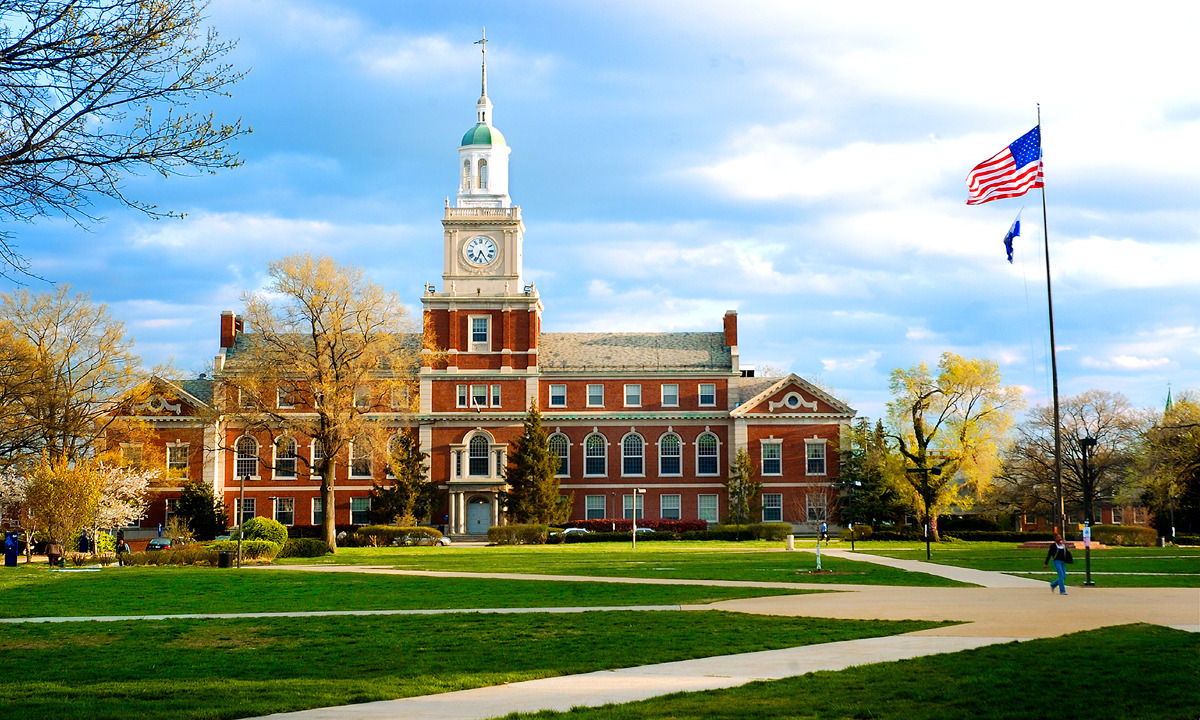
Residential Fellowships are offered for a standard nine-month term during the academic year (September – May). Howard Fellows are expected to devote themselves full-time to their proposed project. Howard Fellows receive a private office at the Institute for Advanced Study.
Fellows are required to live in the DC region for the duration of their fellowship and are responsible for paying for and arranging their accommodations. There are housing options on Howard's campus. Howard’s campus is also accessible from DC, Maryland, or Virginia, via the region-wide Washington Metro.
Fellowship Activities
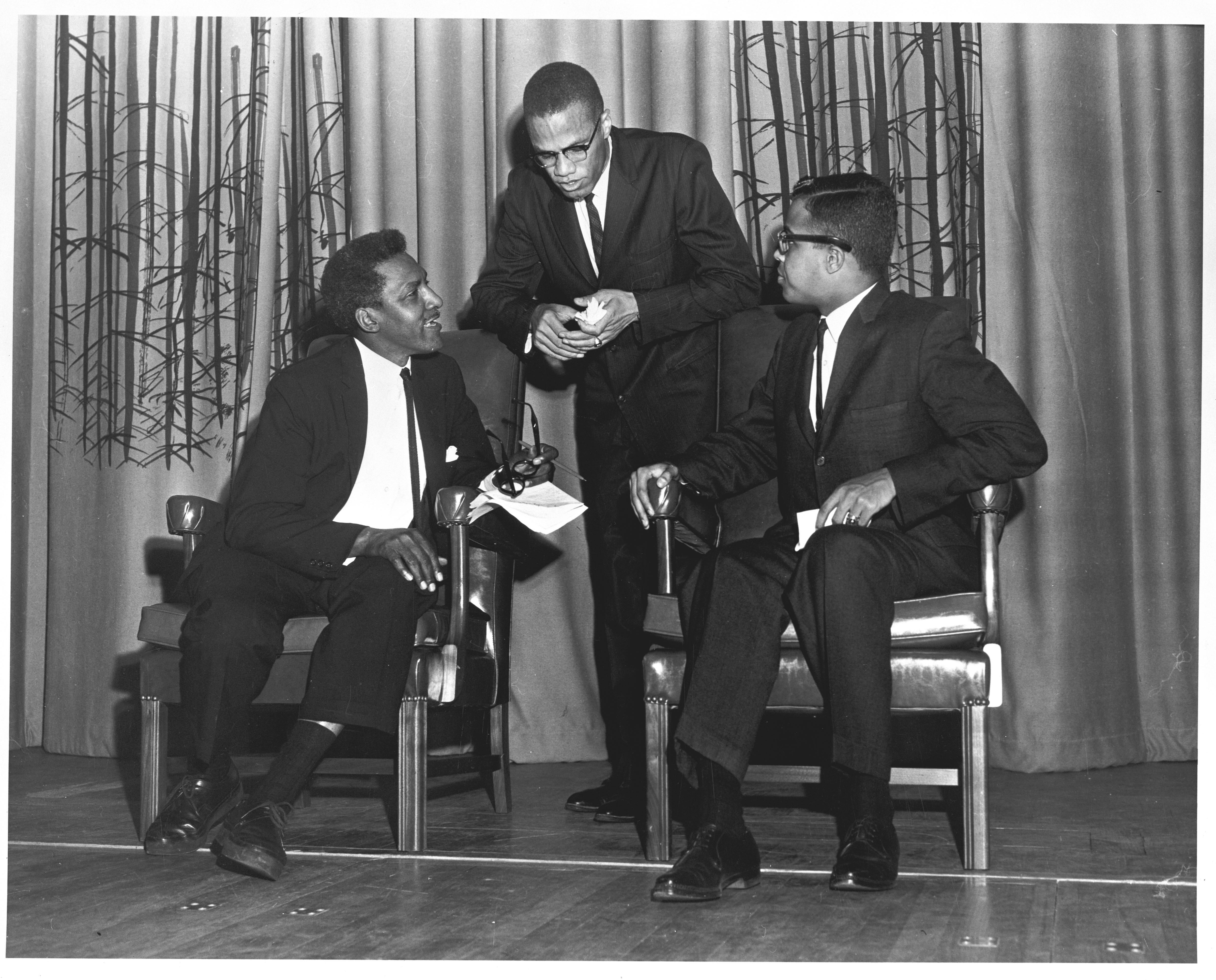
The Institute provides Howard Fellows with the time, space, and support to pursue their individual project. But just as importantly, the Institute ensures Howard Fellows can connect with and collaborate with and learn from each other. The Institute organizes regular activities for intellectual exchange, fellowship, and community building. The Institute organizes lunches and other social gatherings for the Howard Fellows. They give private presentations on their work to their cohort as well as presentations to the public. Howard Fellows may participate in the Institute’s annual National Antiracist Book Festival, engage with Howard students as guest lecturers, and contribute to The Emancipator. Howard Fellows are not required to teach any courses during their residence.
Compensation
For nine months during the 2027–2028 academic year, Howard Fellows receive a stipend of $75,000 and an additional $2,500 for project expenses. If the fellow is not an employee of an organization where they receive benefits, then the fellow is eligible to be offered Howard University’s benefits package, which includes medical, dental, and vision insurance.
Howard Student Fellows
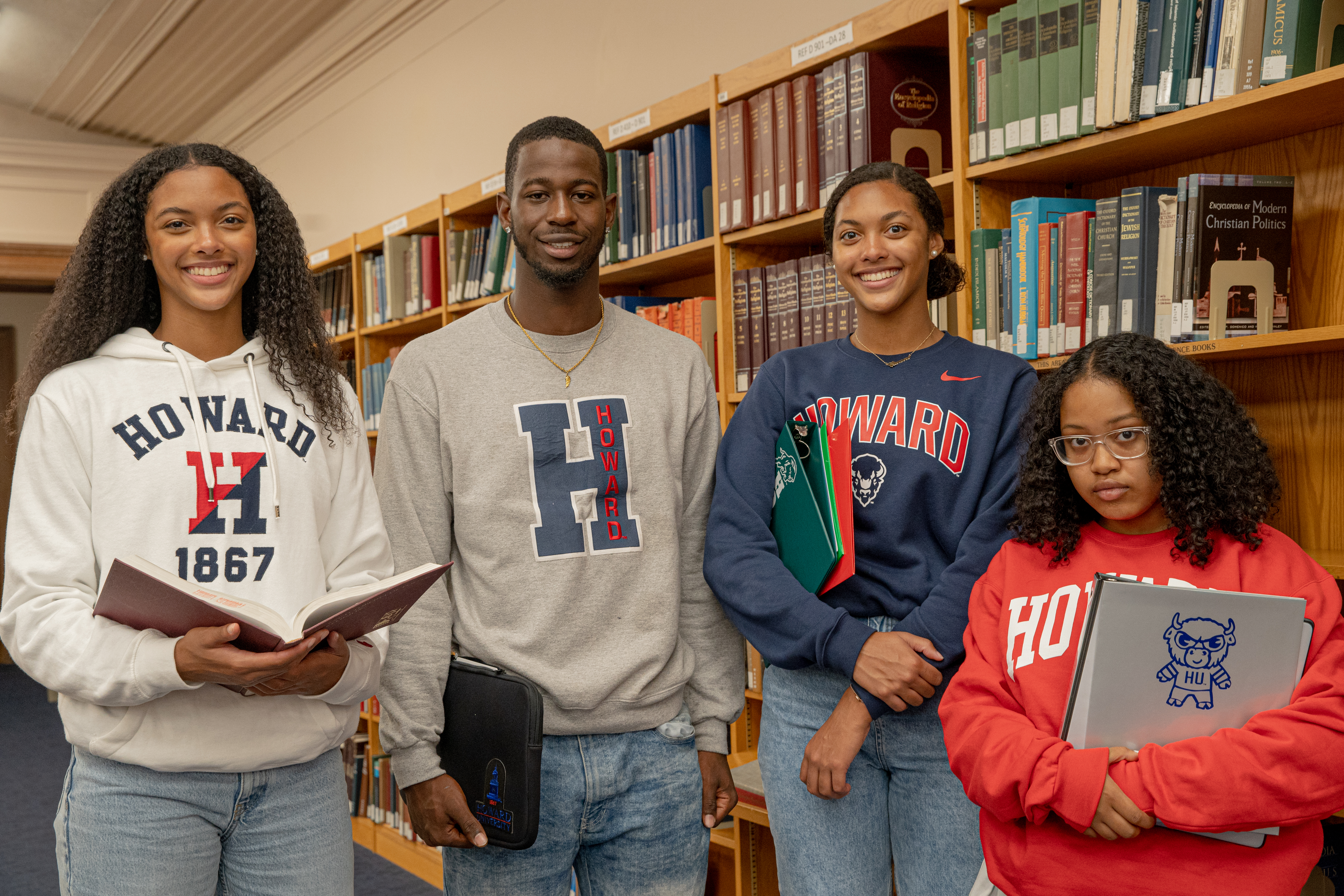
Each Howard Fellow is paired with a Howard student to assist with research, administrative work, and other tasks required for project fulfillment. Student Fellows are paid for 10 hours of work per week when semesters are in session. Students are assigned a workstation near the office of the Howard Fellow.
Student Fellows have expressed interest in the Howard Fellow’s field or discipline. They gain professional experience, networking opportunities, and mentorship from their assigned Fellow.
Howard students interested in applying to be a Student Fellow should contact the Institute at AdvancedStudy@Howard.edu.
Intellectual Resources

Fellows have access to Howard University libraries. Howard is part of the Washington Research Library Consortium, a network of DC-area university libraries that pools 22 million items and allows for reciprocal borrowing access across campuses. Howard is home to the Moorland-Spingarn Research Center, the largest and most comprehensive repository of books, documents, and ephemera on the global Black experience.
Washington, DC, is one of the best cities in the world to conduct research, featuring the Library of Congress, the National Archives, and Smithsonian Institution's library units.
Who Should Apply
Eligibility
Applicants can come from a wide variety of sectors and fields, including, but not limited to, academia, journalism, public service, creative arts, public humanities, community organizing, data science, law, public health, philanthropy, and literature. Applicants must demonstrate the capacity to carry out an inventive year-long project related to race, racism, or antiracism. This capacity must be evidenced through a record of work relevant to the applicant’s field and proposed project. We accept applicants exploring racism affecting any racial group, as well as racism’s intersections with other forms of bigotry.
Applicants are not required to hold an institutional affiliation. We accept applicants at the beginning, mid-point, and end of their careers.
Faculty at Howard University and other historically Black colleges and universities (HBCUs), Tribal Colleges and Universities (TCUs), and Hispanic Serving Institutions (HSIs) are encouraged to apply. Those proposing projects related to Reproductive Justice are especially encouraged to apply for the 2027-2028 fellowship cohort.
We do not accept applicants currently enrolled in an undergraduate, master’s, professional, or doctoral degree program. Applicants must be three years removed from completing their doctoral or terminal degree when the fellowship begins in September 2027. Exceptions could be made for an applicant with significant experience and impact in their field prior to obtaining their doctoral or terminal degree. If you have significant experience and impact in your field, we encourage you to apply. Please do not contact the Institute to inquire if you are eligible. Our team does not have the capacity to assess applicant qualifications prior to the formal review process.
Evaluation
Applications are carefully reviewed by an interdisciplinary committee, which assesses each proposed fellow based on their expertise and experience. Each proposed project is evaluated based on its innovation, ambition, originality, rigor, accessibility, and potential for impact.
Deadlines and Notice
The deadline for all applications is October 22, 2026 at 5 p.m. ET. All applicants will be contacted via email about whether they received the fellowship by May 1, 2027.
Questions & Answers
After I apply, should I send notice to the Institute’s Director or an Institute staffer?
No. We kindly ask that you do not send notice to the Institute’s Director or any other member of the Institute’s staff after applying. Doing so will not increase your chances of receiving the fellowship. We received your application and our committee will consider it.
Are Howard Fellows able to teach at Howard University during their residence at the Institute?
Howard Fellows are expected to devote themselves full-time to their proposed project. But we understand there could be interest from fellows in teaching at Howard. The Institute would permit each Howard Fellow to teach a maximum of one class during their nine-month residency. But this teaching assignment is not guaranteed. After being offered the fellowship and confirming, the Howard Fellow must express interest in teaching a class and provide a course proposal. The Institute would then propose the course to the relevant department chair for consideration.
Are experts outside of the United States eligible to be Howard Fellows?
Yes.
I am not a college professor. I don’t have a doctorate or professional degree. Can I still apply?
Yes. This fellowship program is open to intellectuals, creators, and practitioners inside and outside of academia.
Is the fellowship program only for those examining anti-Black racism?
No. While the study of anti-Black racism is foundational to the study of racism, there are forms of racism affecting other peoples that require advanced study.
Should I apply if race and racism are a secondary focus of my project?
No. We are looking for projects with race and racism as their primary focus. There can be projects that have two or more areas of primary focus. We understand that racism intersects with other forms of structural bigotry and invite proposals at those intersections.
I am a faculty member at Howard University. Can I apply?
Yes. We encourage Howard faculty to apply.
I plan to go on leave if awarded the fellowship. Could the stipend be sent directly to my university or place of employment?
We expect all Howard Fellows who are employed to go on leave from their institutions during the nine months they are in residence at Howard. Depending on the situation, we can either send the stipend directly to the fellow or to their institution.
Can I pursue the fellowship virtually or commute for the program?
No. The Institute aims to build community and intellectual exchange through an in-person fellowship program with in-person activities throughout the week.
I have a partner and/or kid(s). Can I commute back home on weekends?
Of course! We do not plan to organize any gatherings for the fellows on weekends or holiday breaks, including Thanksgiving break, Christmas break, and Spring break. The lone exception is the annual National Antiracist Book Festival, held on a Saturday in the spring semester. Some fellows may choose to bring their partner and/or kid(s) to the DC area during their residency. For those with young children, Howard University has a sterling on-campus Early Learning Program for kids ages two to six.
Can the Institute review my application prior to submission for feedback or share feedback on why I did not receive the fellowship?
No. We are likely to receive hundreds of applications. The Institute has a small staff. We do not have the bandwidth to provide this level of feedback to each applicant.
I cannot be in residence at Howard during the fall or spring semesters. Could I be in residence during the summer instead?
No. The fellowship period is from September to May. Unfortunately, we aren’t able to make exceptions. We want all the fellows to be in residence at the same time to build community.
I’m excited about the potential impact of Institute’s Fellowship Program. How can I provide a gift to increase the number of Howard Fellows?
You can make a gift here. You can also contact Mr. Michael Farrell, the Executive Director of Athletics, Centers & Institutes in Howard University’s Development & Alumni Relations. He can be reached at michael.farrell@howard.edu.